
faq

If your question isn’t covered here, please don’t hesitate to get in touch — I’m always happy to hear from you.
-
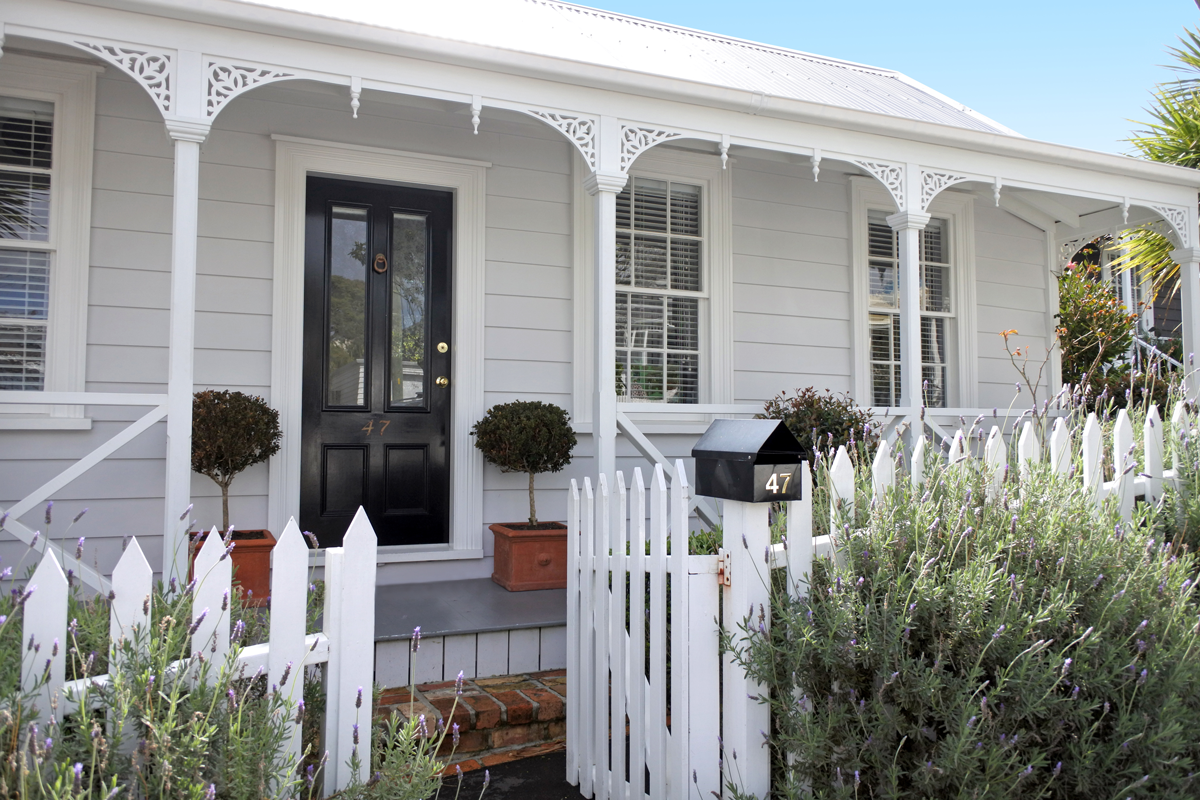
Nelson is one of New Zealand’s least affordable cities, and we need smart, practical solutions. I see three clear opportunities to make low-cost housing more achievable in central Nelson: Enable medium-density housing in the right places – Support Plan Change 29’s intent but ensure it’s targeted so that infill and multi-unit developments happen close to transport, shops, and services, reducing costs and car dependency. Partner with community housing providers – Work directly with organisations that deliver affordable homes and explore long-term lease or shared-equity models that lower entry costs for families. Cut red tape for good projects – Streamline consenting for well-designed, low-cost developments and reduce unnecessary council fees where projects clearly meet affordability and sustainability criteria. By unlocking land, reducing barriers, and supporting innovative partnerships, Nelson can grow in a way that is affordable, vibrant, and fair.
-
Yes, I support Council working alongside community groups to help facilitate safe shelters. But more than just beds, we need wrap-around support so people can get back on their feet. I see homelessness as a symptom caused by a lack in drug, alcohol and mental health support from the Ministry of Health. As a country we need to do better. I see two steps we can take: Partnerships with community housing providers and NGOs – They already have the expertise; Council can back them with funding support, land use, and coordination. Integrated support services – Work with government agencies and charities to connect people with health, training, and job opportunities, so shelters are a pathway, not a dead-end. Addressing homelessness requires compassion and practicality. By partnering smarter, Nelson can ensure people have dignity, safety, and the chance to rebuild their lives.
Housing & Urban Development
-
Council should help families cut power bills by backing solar, insulation, and energy-efficient homes – it saves money and reduces emissions.
-
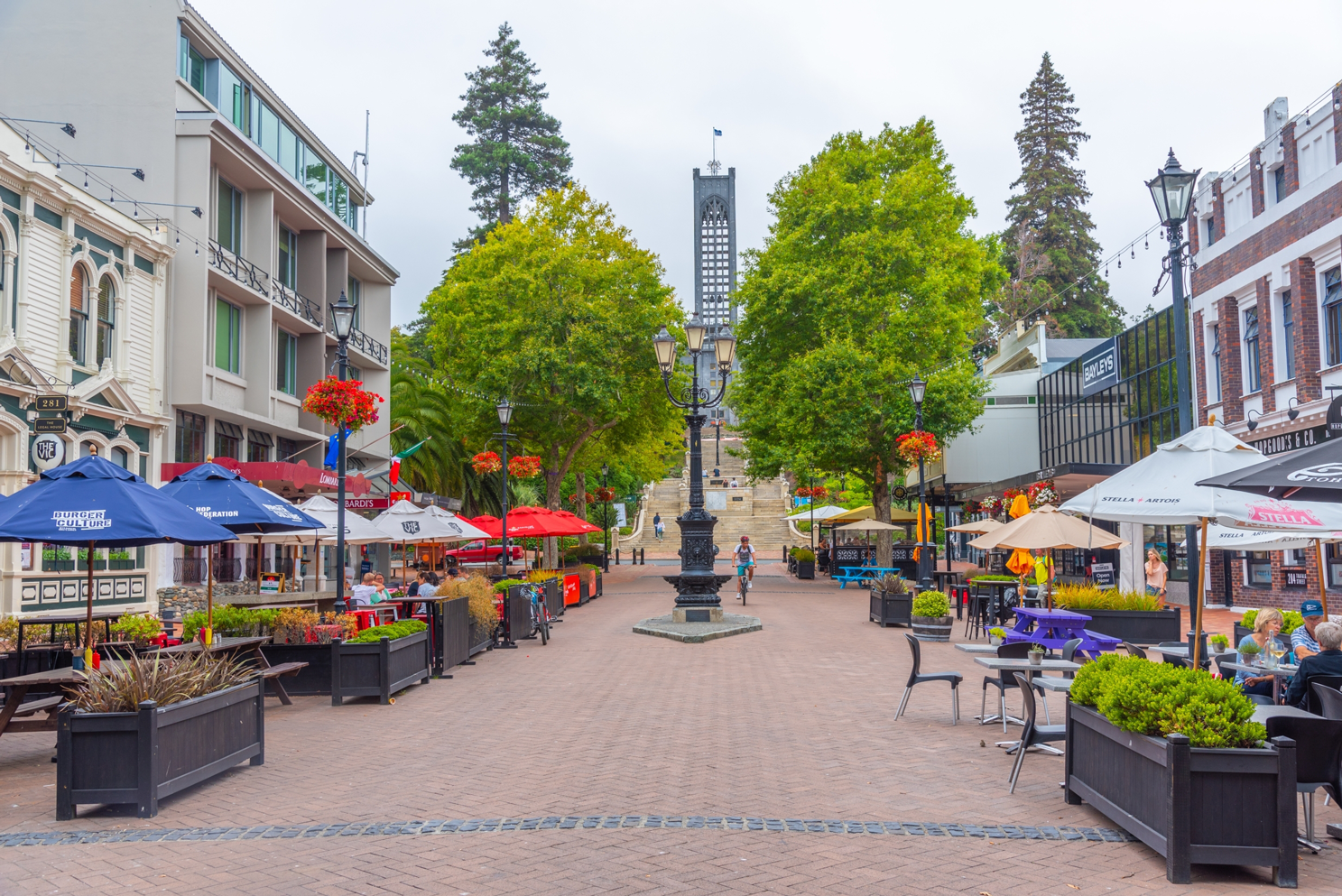
Nelson is already a special place, but we can make it the best place to live and work in New Zealand by focusing on three priorities: A thriving city centre – Revitalise the CBD with mixed-use development, cultural events, night markets, and more reasons for people to spend time and money locally. Smart growth & housing – Enable affordable, medium-density housing close to transport, schools, and jobs so people can live well without being priced out. Blue & Green economy leadership – Invest in our strengths: marine innovation, environmental science, and creative industries that deliver high-value, sustainable jobs. When combined with safe transport, accessible outdoor spaces, and genuine community engagement, these steps will make Nelson not just a great city, but a model for how smaller centres can thrive.
Living &
working
business
& economy
-
Nelson needs to be a place where ideas turn into businesses and businesses turn into jobs. To encourage new start-ups, I’d focus on three things: Cut red tape – Streamline consenting and reduce unnecessary council fees for small businesses so entrepreneurs can focus on growing, not paperwork. Create a supportive ecosystem – Partner with NMIT, Cawthron, and the Chamber of Commerce to provide incubator space, mentoring, and networking for start-ups. Champion the Blue & Green Economy – Position Nelson as New Zealand’s hub for marine innovation, science, and sustainability, attracting investment and high-value careers.
-
Tourism is vital to Nelson, but it needs to be both vibrant and sustainable. I see three key opportunities: Promote Nelson as a Blue & Green destination – Leverage our unique mix of ocean, rivers, national parks, and science institutes to position Nelson as the hub for eco-tourism, marine tourism, and outdoor adventure. Invest in events and experiences – Support cultural festivals, sports events, and cruise visitor experiences that spread benefits across local businesses, not just the CBD. Build sustainable infrastructure – Encourage operators to adopt clean transport, low-impact practices, and work towards carbon-neutral tourism. Council can help by upgrading facilities like walkways, cycle trails, and waterfront spaces.
-
1.Revitalise the CBD – Support mixed-use development, cultural events, and flexible spaces that attract people back into the city centre, making it the beating heart of Nelson’s economy again.
2.Champion the Blue & Green Economy – Build on Nelson’s unique strengths in marine innovation, aquaculture, environmental science, and creative industries to create sustainable, high-value jobs.
3.Cut red tape and enable growth – Streamline consenting, reduce unnecessary council fees, and actively partner with local business organisations to make it easier to start, grow, and invest in Nelson.
-
Value for rates – Every dollar collected must deliver essential services efficiently, whether it’s stormwater, roads, rubbish, or parks. Wasteful “nice-to-haves” should not drive up rates.
Balanced contribution – Businesses already pay a higher differential, which needs regular review to ensure it’s fair and not discouraging investment or job creation.
Transparent decision-making – Ratepayers should clearly see how rates are set, what they fund, and why. Open books build trust and help us strike the right balance between business and residential contributions.
-
Council already has a local procurement policy in place which I will review and look at limits to ensure that it is fit for purpose and is in line with supporting local businesses of all sizes.
-
Debt can be a useful tool when it funds projects that grow our economy and improve essential services, but Nelson’s debt must always remain affordable and sustainable.
My stance is:
Keep debt under control – Borrow only for long-term infrastructure that benefits future generations, not day-to-day spending.
Prioritise essentials first – Core services like water, stormwater, transport, and waste management must always come before “nice-to-have” projects.
Invest in economic growth – Direct capital spending into projects that unlock jobs and business opportunities, like a resilient transport network, waterfront revitalisation, and supporting our Blue & Green economy sectors.
-
Council should be a facilitator of business, making connections and assisting both existing and new investment through streamlined processes. We should be concentrating on using our vacant assets and setting up public-privarte partnerships that create long term value and revenue streams, allowing Council to ultimately subsidise rates.
Nelson needs to be a place where ideas turn into businesses and businesses turn into jobs. To encourage new investment, I’d focus on three things:
Cut red tape – Streamline consenting and reduce unnecessary council fees for small businesses so entrepreneurs can focus on growing, not paperwork.
Create a supportive ecosystem – Partner with NMIT, Cawthron, and the Chamber of Commerce to provide incubator space, mentoring, and networking for start-ups.
Champion the Blue & Green Economy – Position Nelson as New Zealand’s hub for marine innovation, science, and sustainability, attracting investment and high-value careers.
-
Our CBD should be the beating heart of Nelson – vibrant, welcoming, and commercially successful. To achieve that, I’d focus on:
Mixed-use development – Encourage more people to live, work, and play in the CBD with well-designed medium-density housing, office space, and hospitality.
Events and activation – Support regular markets, live music, cultural festivals, and pop-ups that bring energy and foot traffic into the city centre.
Safe, attractive spaces – Invest in lighting, landscaping, seating, and pedestrian-friendly design so the CBD feels welcoming day and night.
Business partnerships – Work closely with local businesses, landlords, and the Chamber of Commerce to co-invest in initiatives that draw people in and keep them spending locally
-
I hear from many businesses that dealing with Council processes is slow, expensive, and frustrating. We need to flip that on its head – Council should be an enabler, not a barrier.
To make it easier to do business in Nelson, I’d support:
AI-powered processing – Use digital tools to handle routine paperwork, compliance checks, and form-filling. This would cut delays, reduce errors, and free up staff time.
Customer-centric service – With staff no longer bogged down in administration, they can focus on working directly with applicants, problem-solving, and guiding businesses through the process.
Clear, transparent fees – Review fees to ensure they are fair, cost-reflective, and not used as a hidden tax on business growth.
-
Events are a powerful way to boost Nelson’s economy, bring our community together, and attract visitors. They fill our CBD, support local businesses, and showcase our region’s unique culture and lifestyle.
I see Council’s role as:
Seed funding & partnerships – Provide targeted support that helps events get off the ground or scale up, but always alongside business sponsorships and community buy-in.
Focus on impact – Prioritise events that deliver real economic, cultural, or social benefits – whether that’s major festivals, sporting tournaments, or community celebrations.
Sustainable support – Encourage events to become less reliant on rates funding over time by building strong partnerships, ticketing models, and sponsorships.
Council should be an enabler, not the sole funder. By supporting events strategically, we can maximise the return for our local economy and community while keeping rates fair.
-
Climate action is essential, but it has to be practical and affordable – especially for local businesses already under pressure from rates, wages, and compliance costs.
I’d take this approach:
Support transition, not punish – Focus on incentives, grants, and partnerships to help businesses adopt cleaner technologies, rather than adding more red tape or costs.
Lead by example – Council should demonstrate savings by making its own buildings and fleet more energy efficient, proving that smart climate action reduces costs in the long run.
Focus on win-wins – Prioritise climate initiatives that cut costs for businesses too, like better public transport (less congestion), energy efficiency (lower power bills), and waste reduction (lower disposal costs).
-
Stronger infrastructure – Invest in stormwater upgrades, slope stabilisation, and flood protection so our homes, roads, and businesses can withstand extreme weather.
Diversify the economy – Support growth in the Blue economy, tech, and creative sectors so Nelson isn’t overly reliant on a few industries. Diverse jobs mean faster recovery after shocks.
Resilient communities – Work with neighbourhoods, iwi, and community groups to ensure emergency planning, communications, and support networks are in place.
Climate-smart planning – Ensure new developments are designed with flood and storm risks in mind, reducing future damage costs.
-
Yes, I do. But we shouldn’t sit back and wait. If elected, I’d push for Nelson City Council and Tasman District Council to work much more closely together right away – sharing resources, aligning decisions, and cutting duplication. That kind of collaboration will save time and money for ratepayers while ensuring greater consistency across the region.
-
I’ve spent over 25 years leading organisations, from building Fiji’s premier marina, developing tourism offerings and industry results to working for government and running mixed use developments. My experience is in delivering complex projects, managing budgets, and creating jobs – always with a focus on value for money and long-term growth.
For Nelson, my vision is simple:
Value for rates – disciplined spending and cutting waste so businesses aren’t overburdened.
Economic growth – backing our Blue economy, revitalising the CBD, and supporting start-ups and small business.
Practical leadership – using innovation, including AI and smarter systems, to reduce red tape so Council becomes an enabler rather than a barrier.
I bring commercial experience, proven results, and a collaborative style. Nelson’s business community can have confidence that I’ll apply those same principles to Council – to grow a vibrant economy while protecting ratepayers’ interests.
Transport & Accessibility
-
Transport is Nelson’s biggest source of emissions, so tackling it is essential. I’d focus on practical steps that give people real choices: Better public transport – Expand the Bus network with more frequent services and reliable routes that make buses a first-choice option. Active transport investment – Build safe cycling and walking connections across the city, linking suburbs, schools, and the CBD. This cuts emissions and congestion while keeping people healthy. Smarter roads – Support an additional arterial route into Nelson to take pressure off Waimea Road and Rocks Road, reducing bottlenecks and pollution from idling traffic.
-
I’d focus on: Safe routes for children and families – Invest in well-lit, separated cycleways and safer pedestrian crossings around schools and busy roads so parents feel confident letting their children bike or walk. Affordable and reliable buses – Keep fares low (or free for under-18s) and improve frequency so buses become a genuine alternative to driving. Universal design – Ensure footpaths, crossings, and transport hubs are accessible for seniors, people with disabilities, and parents with prams.
-
Nelson’s transport network is under real pressure, and we need to plan smartly for the next 20–30 years. Key priorities I see are: A second arterial route into Nelson – To relieve Rocks Road and Waimea Road, reduce congestion, and ensure resilience in case of emergencies. A modern public transport hub – Integrated buses with real-time scheduling, park-and-ride facilities, and links to active transport, making it easier to leave the car at home. Active transport corridors – Safe, continuous walking and cycling routes connecting Stoke, Tahunanui, and Richmond to the CBD. Smart, sustainable freight solutions – Work with Port Nelson and central government on better freight movement that reduces heavy truck traffic through the city and Rock's Road.
Climate Change
& Resilience
-
Climate change is already affecting Nelson, so we need both adaptation and mitigation. Over the next 3–6 years, I’d prioritise: Resilient infrastructure – Upgrade stormwater and flood protection to safeguard homes, businesses, and key roads from rising seas and extreme weather. Cutting emissions – Expand public transport, build safe cycleways, and support energy-efficient housing so families save money while lowering emissions. Nature-based solutions – Restore wetlands, plant trees along waterways, and protect biodiversity as natural buffers against floods and erosion. Partnerships with science & community – Work with Cawthron, iwi, and community groups to ensure Council policy is evidence-based and that the community is part of the solution.
-
To improve engagement, I’d focus on: Bring people in early – Consult at the idea stage, not after decisions are nearly made. This builds trust and ensures better solutions. Use multiple channels – Go beyond formal submissions. Hold pop-up stalls in the CBD, school workshops, online surveys, and neighbourhood forums so more voices are heard. Transparent feedback loops – Show residents how their input shaped the final decision. If something couldn’t be done, explain why. Partner with iwi, youth, and business – Make sure key groups have a seat at the table on issues like transport, housing, and climate action.
Maori Ward
-
I believe every councillor should be accountable to the whole city, not just one roll. A NO vote doesn’t mean less Māori voice — it means using the strongest tools we already have to partner well with iwi across all decisions, every day.
Nelson already has a solid iwi–Council architecture we can build on — and crucially, it brings all eight iwi of Te Tauihu to the table. We have the Iwi–Council Partnership Group (Mayor, Deputy Mayor and iwi chairs), Te Ohu Whakahaere (CE-to-CE forum), and targeted forums like Te Ohu Taiao (environment) and Te Ohu Toi Ahurea (arts & heritage), as well as joint work with Tasman through Te Puna Kōrero on freshwater. On the decision-making side, iwi representatives are embedded across key activities — from the Nelson Regional Sewerage and Regional Landfill Business Units, to the Joint Regional Transport Committee, Joint Waste Review, Joint Regional Cemetery group, He Tātai Whetū (arts & creativity) taskforce, and a Māori representative position on Audit, Risk & Finance. This is the practical model I want to strengthen and formalise so Māori voices sit where the votes and budgets are set — every day, not just at election time.
There’s also a fairness issue with the current mixed-ward set-up. If you’re on the Māori roll, you can vote for the Mayor, one Māori-ward councillor, and three at-large councillors (four councillors total). General-roll voters can vote for the Mayor, four general-ward councillors, and three at-large councillors (seven councillors total). That means Māori-roll voters get fewer councillor votes, which in my view reduces their voice and influence on the overall make-up of Council.
My commitments:
Keep the Iwi–Council Partnership Group as the anchor for all eight iwi of Te Tauihu, with a clear annual work programme.
Ensure representation is inclusive across the eight iwi with transparent criteria, fair remuneration, and (where appropriate) rotating terms.
Resource early engagement properly and publish outcomes so the public can see what changed.
Back joint Nelson–Tasman entities that already include iwi voices, and lift their mandate for climate resilience, housing, transport, and the blue economy.
Let’s choose one council table, shared accountability, and real partnership that delivers results.
Community
& Inclusion
-
The common issues raised with me so far include: Housing and affordability – many new families struggle with high rents and limited housing options. Transport and access – better, more affordable public transport is a recurring theme. Representation and inclusion – communities want a stronger voice in Council decisions and recognition of their contribution to Nelson’s economy and culture. If elected, I’ll prioritise ongoing dialogue with these communities, ensure their voices are heard in Council planning, and celebrate the cultural diversity that makes Nelson such a vibrant place to live.
Outdoors & Accessibility
-
Accessible upgrades – Improve surfaces, gradients, and signage on popular trails so they’re safe for seniors, families with prams, and people with limited mobility. Loop and link tracks – Create shorter, well-connected loops near suburbs, schools, and community spaces so access to nature doesn’t require a long drive. Partnerships with community groups – Work with the Nelson Mountain Bike clubs, tramping groups, and accessibility advocates to co-design upgrades that meet real community needs. Better facilities – Add seating, rest stops, and toilets at key access points to make tracks more welcoming for all users.